
Pet Care Is Broken vs Easter Egg Hazards
— 7 min read
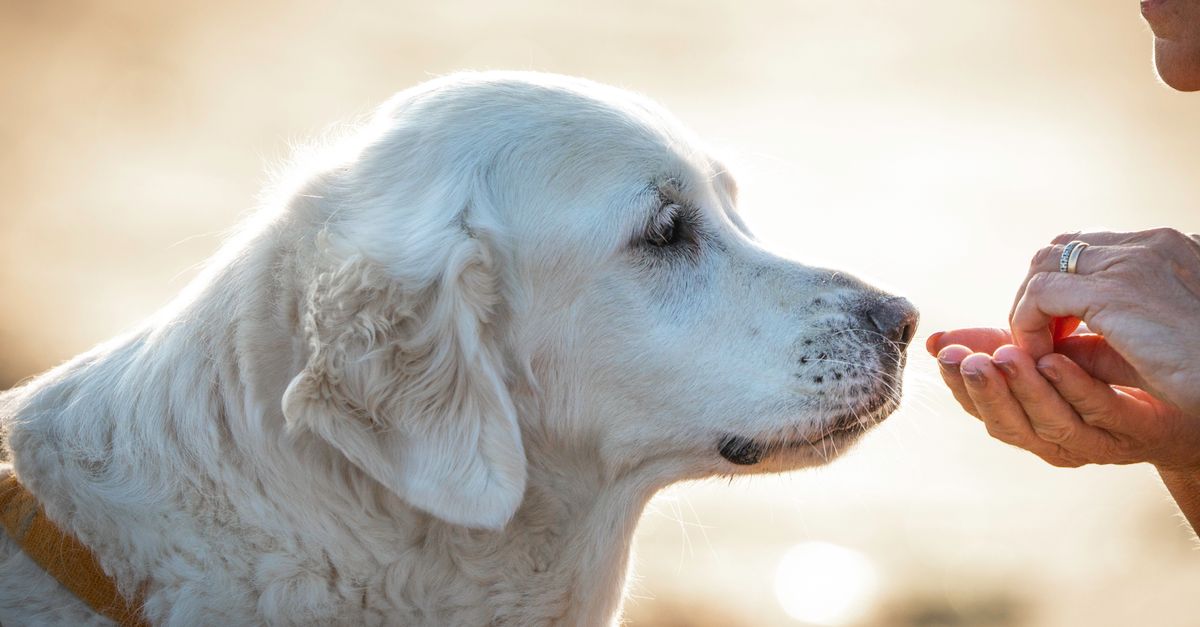
A recent study found 8% of dogs accidentally ingest protein-based treats during public egg hunts, risking severe health issues. In short, keep your dog out of hidden treats and follow a checklist before, during, and after the holiday to avoid emergency vet trips.
8% of dogs mistakenly eat protein-rich Easter treats, leading to vomiting, diarrhea, or pancreatitis.
Pet Care
Key Takeaways
- Run a pre-Easter health check and vaccination review.
- Choose a lightweight harness for safe, hands-free control.
- Give a calming walk before the hunt to burn excess energy.
- Teach a reliable recall and "leave it" command.
- Create a dog-friendly zone away from crowds.
When I prepare for Easter, my first step is a quick health sweep. I pull out my dog’s vaccination record, double-check that core shots - especially parvovirus and distemper - are up to date, and note any seasonal concerns like fleas or heartworm. A brief call to the vet can confirm that your pet is cleared for outdoor fun, and it gives you a chance to ask about any new risks that may appear during the holiday.
Next, I swap the usual collar for a lightweight harness. The harness distributes pressure across the chest, preventing neck strain if your dog gets excited and pulls toward a hidden egg. I look for a harness with quick-release buckles and a padded chest strap, which feels comfortable for longer wear. This simple change reduces the chance of escape and keeps you in control without choking the dog.
Before heading to the park, I schedule a 15-minute calming walk. Walking burns off pent-up energy, so your dog is less likely to sprint after every glint of foil. I keep the leash loose but stay alert, letting my dog sniff the air while I maintain a relaxed pace. By the end of the walk, the excitement level drops, and the dog is more focused on me than on every shiny object on the ground.
Recall training is a lifesaver in crowded Easter events. I practice the "come" command in a low-distraction environment, rewarding with treats and praise. When the command sticks, I add distance and mild distractions, like other dogs or kids, to simulate a public hunt. A reliable recall lets me bring my dog back instantly if they wander into a busy area or spot a suspicious egg.
Finally, I set up a dog-friendly zone at home or at the event. This area is fenced or corralled with baby gates, away from the main crowd and food tables. I place a water bowl, a few chew toys, and a comfortable mat inside. The zone gives the dog a safe retreat, reducing stress and preventing them from bolting into traffic or crowds.
Easter egg hazards dogs
When I first learned that many Easter treats contain high-protein fillings, I stopped using them in our egg hunts. Dogs are not built to digest large amounts of rich protein, and ingesting these treats can trigger gastric upset, vomiting, diarrhea, or even pancreatitis. I always read the ingredient list before buying any candy or treat to make sure there is no hidden meat broth or dairy.
To keep things safe, I replace hard, bite-proof treats with softer, dog-specific snacks that are clearly labeled as safe for canine consumption. These treats break down easily, reducing the risk of choking on fragments. Look for products that list “dog-safe” on the packaging, and avoid anything with chocolate, grapes, onions, or artificial sweeteners - common Easter hazards that can be deadly.
Another simple trick is to use clear, non-transparent plastic eggs that let you see what’s inside. After each hunt, I collect and discard all eggs, making sure no hidden items are left behind for curious noses. This practice stops dogs from later retrieving an egg and eating it unnoticed.
I also teach my dog a "leave it" command before the event. I start by holding a treat in one hand, saying "leave it," and rewarding the dog when they ignore it. Once the dog responds reliably, I add real eggs to the training session. The command allows me to intervene quickly if the dog spots a dangerous egg in the grass or under a flower pot.
Chronicle Live warns that Easter treats can become "deadly" when dogs ingest protein-rich fillings, leading to severe digestive issues.
| Treat Type | Safety for Dogs | Potential Hazard |
|---|---|---|
| Protein-based chocolate eggs | Not safe | Pancreatitis, vomiting |
| Dog-specific soft chews | Safe (if labeled) | Minimal choking risk |
| Hard candy shells | Unsafe | Choking, dental damage |
| Clear plastic eggs (empty) | Safe | None if removed after hunt |
By swapping hazardous treats for dog-friendly options and teaching "leave it," you dramatically cut the chance of accidental ingestion. This approach aligns with the advice from local animal welfare groups, who emphasize that a simple habit change can protect dozens of pets each Easter.
Dog safety at Easter
I always start Easter celebrations by limiting my dog’s access to the busiest parts of the venue. I set up a dedicated, dog-friendly zone - often a shaded spot with a portable fence - where the family can gather without the dog getting tangled in the crowd. This zone keeps the dog away from traffic, loud music, and sudden movements that can cause anxiety.
Hydration is another critical factor. I place a water bowl in the shade and refill it regularly, especially if the temperature climbs. Dehydration can sneak up quickly, leading to lethargy, sunstroke, or even kidney trouble. I also carry a collapsible water bottle for on-the-go refills, so my dog never goes thirsty while I’m chasing after hidden eggs.
Visibility matters when the sun sets early. I dress my dog in a reflective vest or attach a bright collar with reflective stitching. The neon colors and reflective strips make my pet stand out to drivers and walkers during dusk or early morning hunts. It’s a low-cost upgrade that can prevent accidents on busy streets.
Finally, I double-check every gift and snack that arrives from guests. Chocolate, grapes, onions, and artificial sweeteners are top offenders in Easter food toxicity. I store these items in a high cabinet or a locked pantry, out of reach of curious paws. Even seemingly harmless treats can contain xylitol, a sugar substitute that triggers rapid insulin release and can be fatal to dogs.
According to the Liverpool Echo, many families underestimate how quickly normal activity can become dangerous for pets during holiday crowds. By establishing clear boundaries, ensuring hydration, boosting visibility, and securing harmful foods, you create a safe environment that lets everyone enjoy the festivities.
Holiday pet health
Before any holiday gathering, I schedule a veterinary exam to screen for hidden health issues. The vet checks heart rate, weight, and overall fitness, and may run blood work if your dog has a history of allergies or digestive problems. Identifying conditions early means you can adjust activity levels or diet to keep your pet comfortable.
Vaccination boosters are a must before heading into public spaces. I verify that my dog’s parvovirus and distemper shots are current, as these diseases spread quickly in densely populated areas. If a booster is due, the vet can administer it on the spot, ensuring your dog is protected for the entire holiday season.
Adding a health tag to the collar is a habit I never skip. The tag lists the dog’s name, microchip number, up-to-date vaccination status, and an emergency contact phone number. If your pet gets lost or needs immediate care, first responders can quickly access vital information, which can be lifesaving.
Diet plays a subtle yet powerful role in holiday health. I switch to a low-fat diet a week before Easter to avoid sudden weight gain or gastrointestinal upset. A lighter diet reduces the risk of pancreatitis, especially when treats and table scraps are more abundant. I also limit high-protein human foods that could upset the stomach.
By combining a vet check, booster shots, a health tag, and a controlled diet, you give your dog a solid foundation to handle the excitement of Easter without compromising health. These steps are endorsed by veterinary professionals who see fewer emergency visits when pets are pre-screened and up-to-date on vaccines.
Pet safety tips Easter
When I attend a public egg hunt, I bring a portable feeding bowl that only holds water and a few dog-safe snacks. This prevents my dog from scavenging on the ground and accidentally eating harmful human foods. I keep the bowl on a short leash so the dog can drink on command but not wander off.
A small first-aid kit travels with me wherever I go. My kit includes gauze pads, antiseptic wipes, tweezers, and a quick-reference guide for treating allergic reactions or minor cuts. If my dog gets a paw snagged on a decoration or shows signs of toxicity, I can act fast before professional help arrives.
Planning a route to the nearest emergency veterinary clinic is a habit I never overlook. I map out the quickest drive on my phone and note the clinic’s phone number. If my dog displays symptoms like vomiting, excessive drooling, or lethargy, I can get them to a professional within minutes, reducing the risk of serious complications.
Finally, I arrange for a trusted pet sitter or dog walker to pick up my dog after the event. The sitter provides a quiet space for the dog to unwind, which is essential after a day of stimulation. This arrangement also prevents the dog from returning home exhausted and potentially overheating in a warm house.
These practical steps - portable bowls, first-aid kits, emergency routes, and reliable sitters - form a safety net that keeps your dog protected throughout the holiday. By preparing ahead, you can focus on the fun of Easter egg hunting without worrying about hidden dangers.
Frequently Asked Questions
Q: Can dogs eat chocolate Easter eggs?
A: No. Chocolate contains theobromine, which is toxic to dogs and can cause vomiting, seizures, or even death. Keep all chocolate treats well out of reach during Easter celebrations.
Q: What is the safest type of treat to hide in Easter eggs for dogs?
A: Use soft, dog-specific chews that are labeled as safe for canine consumption. Avoid hard candy shells and protein-rich human treats, which can cause digestive upset or choking.
Q: How can I keep my dog visible during evening Easter activities?
A: Dress your dog in a reflective vest or a bright-colored collar with reflective stitching. This makes the pet stand out in low-light conditions, reducing the risk of accidents.
Q: What should I do if my dog eats a hidden Easter egg?
A: Monitor for signs of vomiting, diarrhea, or abdominal pain. Contact your veterinarian immediately, especially if the egg contained chocolate, grapes, or high-protein fillings.
Q: Are there any vaccinations I should update before attending public Easter events?
A: Yes. Ensure your dog’s parvovirus and distemper boosters are current. These core vaccines protect against diseases that spread quickly in crowded places.


