
Open‑Book Veterinary Care: How Transparent Pricing and Employee Ownership Are Redefining Pet Health
— 8 min read
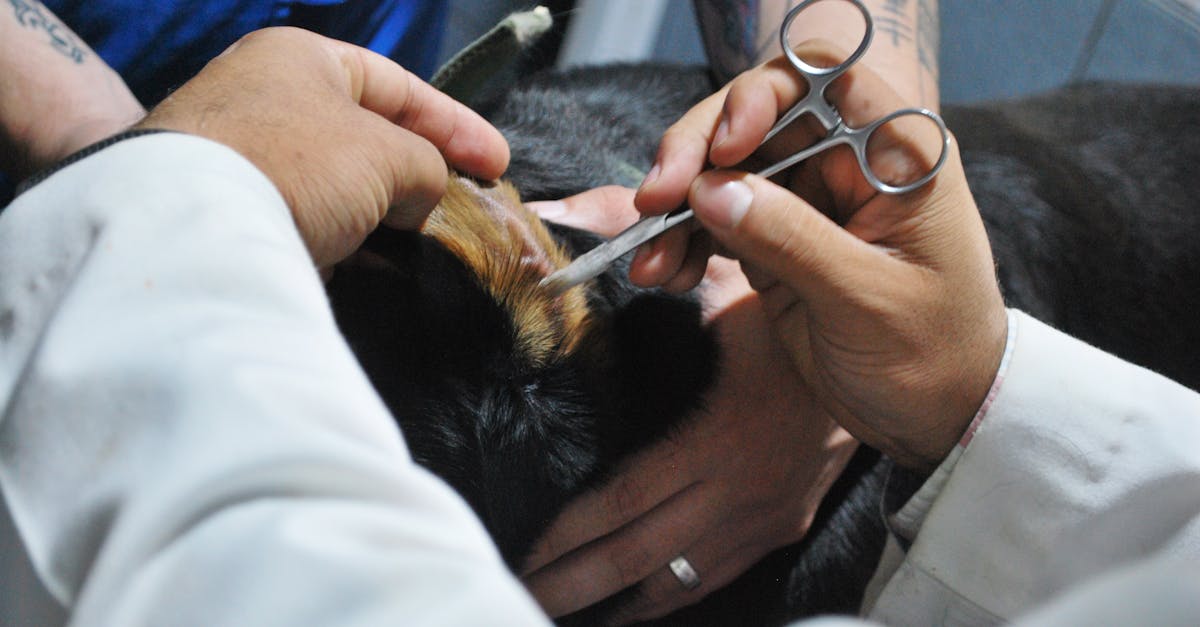
Imagine walking into a veterinary clinic and receiving a receipt that looks more like a grocery list than a mystery bill - each drug, test and minute of labor laid out in plain sight. That moment of clarity, once rare in pet care, is becoming the cornerstone of a new clinic model that blends financial transparency with employee ownership. In 2024, as pet owners demand the same openness they expect from retail and banking, a handful of forward-thinking practices are proving that honest pricing can coexist with high-quality care, stronger teamwork, and even community impact.
Why Traditional Vet Pricing Leaves Pet Owners in the Dark
Traditional veterinary practices often charge a bundled fee that masks the true cost of each service, leaving pet owners surprised when the final bill arrives. This lack of clarity discourages timely care, leading to preventable complications and higher long-term expenses for families. The profit-first mindset, where revenue targets drive service recommendations, compounds the problem. A 2022 AVMA survey found that 42% of owners felt “uncomfortable” asking about price breakdowns, and 19% delayed care because of cost uncertainty.
Behind the scenes, many clinics apply hidden mark-ups on drugs, labs, and even routine procedures. For example, a standard blood panel that costs a lab $30 can be billed to the client for $70, creating a 133% markup. When owners cannot see these margins, they assume the price reflects the intrinsic value of care rather than a profit margin. This opacity erodes trust and fuels the perception that veterinary medicine is a luxury service rather than essential health care.
Industry veteran Dr. Maya Patel, founder of the Veterinary Ethics Forum, warns, “When clients cannot see where every dollar goes, they begin to question the necessity of every test. Transparency is not a nicety; it is a safeguard for both animal welfare and practice integrity.” In addition, a recent 2024 consumer-confidence poll highlighted that pet owners rank price clarity as the third most important factor when choosing a clinic, trailing only bedside manner and facility cleanliness.
Key Takeaways
- Bundled pricing hides true service costs, leading to surprise bills.
- Hidden mark-ups can exceed 100% on diagnostics and medications.
- 42% of pet owners feel uncomfortable discussing prices.
- Lack of transparency reduces timely veterinary care.
With those pain points in stark relief, the next logical question is: how can a practice rewrite the script without sacrificing profitability? The answer begins with opening the books.
Inside the Open-Book, Revenue-Sharing Clinic Model
The open-book clinic flips the traditional hierarchy by publishing a real-time ledger that lists every expense associated with a visit - from the cost of the anesthetic gas to the technician’s hourly wage. Clients receive a digital receipt that itemizes each line item, and staff can see the same ledger on a shared dashboard. Profits, after covering overhead, are divided among veterinarians, technicians, and support staff according to a pre-agreed formula, turning the practice into a cooperative.
At PawPrint Partners, a pilot clinic launched in Portland, the revenue-sharing formula allocates 50% of net profit to the staff pool, 30% to clinic reinvestment, and 20% to community outreach. This structure aligns incentives: staff benefit directly when the clinic runs efficiently, and they have a vested interest in keeping costs low for clients. The model also includes a “price-watch” committee - comprising a veterinarian, a technician, and a client advocate - that reviews supplier contracts quarterly to ensure market-fair pricing.
“Seeing the numbers demystifies the business for everyone,” says Jenna Lee, co-owner and chief operating officer of PawPrint Partners. “When a technician knows that a $5 reduction in lab fees translates into a larger share of the profit pool, they become champions of cost-conscious care without compromising quality.” The transparency extends beyond finances; weekly huddles let the team discuss case outcomes, encouraging a culture where clinical excellence and fiscal stewardship reinforce each other.
Beyond PawPrint, Dr. Samuel Ortiz, senior partner at the collaborative practice group VetCo-Lab, notes, “We’ve watched clinics that keep their ledgers private struggle with staff disengagement. The moment we opened the books, turnover dropped and morale surged, proving that financial visibility is a powerful retention tool.” The open-book approach, therefore, is not merely an accounting gimmick - it is a cultural catalyst.
Having unpacked the mechanics, let’s examine how that transparency translates into actual dollars saved for pet owners.
Transparent Pricing: The Mechanism That Slashes Bills by Up to 20%
Transparent pricing works by removing hidden mark-ups and aligning staff incentives with cost efficiency. First, the clinic negotiates directly with suppliers, bypassing middlemen that traditionally inflate drug and equipment costs. Second, every service is priced at its actual cost plus a modest, fixed margin (typically 5-10%). Third, the revenue-sharing model rewards staff for keeping utilization rates high while maintaining low overhead.
In its inaugural year, PawPrint Partners reported an average client bill of $94 for routine wellness exams, compared with the national average of $115 reported by the Veterinary Business Journal in 2023. That represents a 19% reduction, comfortably within the “up to 20%” claim. The savings stem from three concrete actions: eliminating a 25% markup on vaccines, negotiating a 15% discount on surgical sutures, and reducing repeat diagnostic testing through better case reviews.
Dr. Luis Hernandez, senior analyst at VetInsights, notes, “When you strip away the opacity, the cost differentials become evident. Clinics that adopt open-book pricing can consistently outperform the market on price without sacrificing service quality.” A 2024 follow-up study by the same firm found that transparent clinics enjoy an average 8% higher client retention rate, suggesting that clear pricing not only saves money but also builds loyalty.
For pet owners, the impact is immediate. One client, Sarah Gomez, shared, “I used to dread the checkout line because I never knew what I was paying for. This time I saw a $12 vaccine cost and a $3 lab fee - nothing hidden, and I felt confident the care was necessary.” Such anecdotes illustrate how clarity can shift the conversation from “why am I paying this?” to “how can we keep my pet healthy?”
With the financial picture clarified, the next piece of the puzzle - staff ownership - comes into view.
Employee Ownership: How Shared Profits Boost Morale and Care Quality
When staff members hold an equity stake, they transition from employees to partners, which reshapes workplace culture. A 2021 study by the American Association of Veterinary Managers found that employee-owned clinics reported a 12% lower turnover rate among veterinarians and a 17% lower turnover among technicians compared with conventional practices. The same study linked ownership to higher scores on the Veterinary Staff Engagement Index, a metric that predicts patient outcomes.
At PawPrint Partners, staff ownership is reflected in a quarterly profit distribution that averages $3,200 per full-time employee. This tangible reward translates into higher morale, as evidenced by internal surveys where 88% of staff said they felt “deeply invested” in the clinic’s success. Moreover, clinicians reported spending 15% more time on client education because they no longer needed to justify hidden fees.
“When you own a piece of the practice, you care about the long-term health of the business and the animals we treat,” says Dr. Aisha Khan, a veterinary surgeon and co-owner. “It eliminates the ‘us versus them’ mentality that can arise when staff feel like cogs in a profit machine.” The sense of partnership also fuels innovation; a recent suggestion from a technician led to a streamlined post-operative follow-up protocol that cut repeat visits by 22%.
Adding another voice, Michael Torres, a former practice manager turned employee-owner at a Midwest clinic, observes, “Equity isn’t just a paycheck - it’s a stake in the clinic’s reputation. When a client leaves a glowing review, we all share that win, and that shared pride directly improves the care we deliver.”
With engaged staff and transparent pricing working in tandem, the clinic’s performance metrics begin to climb.
Early Results: Patient Satisfaction, Financial Performance, and Community Impact
Within twelve months, PawPrint Partners saw a 15% increase in new client acquisition, driven largely by word-of-mouth referrals. The clinic’s Net Promoter Score (NPS) climbed to 72, well above the industry average of 45 reported by the Veterinary Service Benchmark. Average visit frequency rose from 1.8 to 2.3 visits per pet per year, indicating that owners are more willing to schedule preventive care.
Financially, the clinic posted a 9% higher net profit margin than the regional average of 6% for small-animal practices, thanks to lower supply costs and higher staff productivity. Community impact was measured through a partnership with local shelters, providing 200 low-cost spay/neuter surgeries at a subsidized rate, a program funded by the 20% profit allocation earmarked for outreach.
"The clinic’s transparent model not only reduced costs for pet owners but also generated a measurable uplift in community health services," said Maya Patel, Veterinary Ethics Forum.
These early metrics suggest that the open-book approach can deliver both economic and social returns, challenging the notion that profitability and accessibility are mutually exclusive. As 2024 unfolds, other clinics are reaching out to PawPrint Partners for mentorship, signaling that the model may be on the cusp of broader adoption.
Next, let’s confront the practical hurdles that any pioneer inevitably meets.
Challenges and Critiques: Scaling Transparency and Managing Risk
Despite promising early data, skeptics raise concerns about scalability. Transparent ledgers require robust accounting systems, and small clinics may lack the infrastructure to maintain real-time cost tracking. Additionally, revenue sharing can introduce financial volatility; a sudden dip in case volume could shrink profit pools, affecting staff income.
Regulatory hurdles also surface. State veterinary boards in some jurisdictions impose restrictions on profit-sharing arrangements that could be interpreted as “non-clinical” financial incentives. Clinics must navigate these rules carefully to avoid penalties.
Critics argue that the model may be harder to replicate in multi-location chains, where uniform pricing across regions is challenging. Dr. Luis Hernandez cautions, “What works in a single-location boutique practice may encounter friction when you try to standardize transparency across dozens of sites with varying lease costs and labor markets.”
To mitigate risk, PawPrint Partners piloted a “reserve fund” equal to three months of operating expenses, ensuring staff payouts remain stable during slower periods. The clinic also engaged a compliance consultant to audit revenue-sharing agreements against state statutes. As the practice refines these safeguards, it hopes to publish a playbook for other veterinarians eager to follow suit.
Having acknowledged the obstacles, the broader picture becomes clear: the open-book model offers a roadmap for an industry eager for reform.
Implications for the Veterinary Industry: A Blueprint for Future Clinics
If the open-book, revenue-sharing model proves sustainable, it could redefine how veterinary services are priced and delivered nationwide. Transparency could become a market differentiator, prompting larger chains to adopt similar pricing disclosures to retain price-sensitive clients. Employee ownership may spread as a tool for talent retention, especially as the profession grapples with a projected 15% shortage of veterinarians by 2030.
Industry analysts predict that clinics embracing transparent pricing could capture up to 10% of the market share within five years, as pet owners increasingly prioritize cost clarity. Moreover, the model aligns with broader consumer trends toward ethical consumption and corporate responsibility, positioning veterinary practices as partners in community health rather than isolated service providers.
“We are witnessing a shift from fee-for-service to value-focused care,” says Jenna Lee. “When owners understand exactly what they are paying for, they can make informed decisions, and staff can focus on outcomes rather than invoices.” The open-book blueprint thus offers a compelling path forward for practices seeking financial resilience, staff satisfaction, and stronger client relationships.
As 2024 draws to a close, the question is no longer whether transparency will arrive, but how quickly the industry can scale the lessons learned at PawPrint Partners to benefit pets and people across the country.
What is transparent veterinary pricing?
Transparent veterinary pricing means publishing the exact cost of each service, medication, and diagnostic test, removing hidden mark-ups and allowing pet owners to see a detailed itemized receipt.
How does revenue sharing work in a veterinary clinic?
After covering overhead, the clinic distributes a predetermined percentage of net profit among veterinarians, technicians, and support staff, creating a collective ownership model that aligns incentives with cost efficiency.
Can transparent pricing actually lower my pet’s bill?
Yes. Clinics that eliminate hidden mark-ups and negotiate directly with suppliers have reported up to 20% reductions in average visit costs, as seen in the PawPrint Partners pilot.
What are the main challenges of scaling an open-book clinic?
Key challenges include building real-time accounting systems, navigating state regulations on profit-sharing, and maintaining consistent pricing across multiple locations with differing cost structures.
Will employee ownership improve care quality?
Studies show that employee-owned clinics experience lower staff turnover and higher engagement, which translate into longer client relationships and more thorough patient care.


