
The Contrarian’s Guide to Managing Indoor Cat Allergies and Seasonal Pollen
— 7 min read
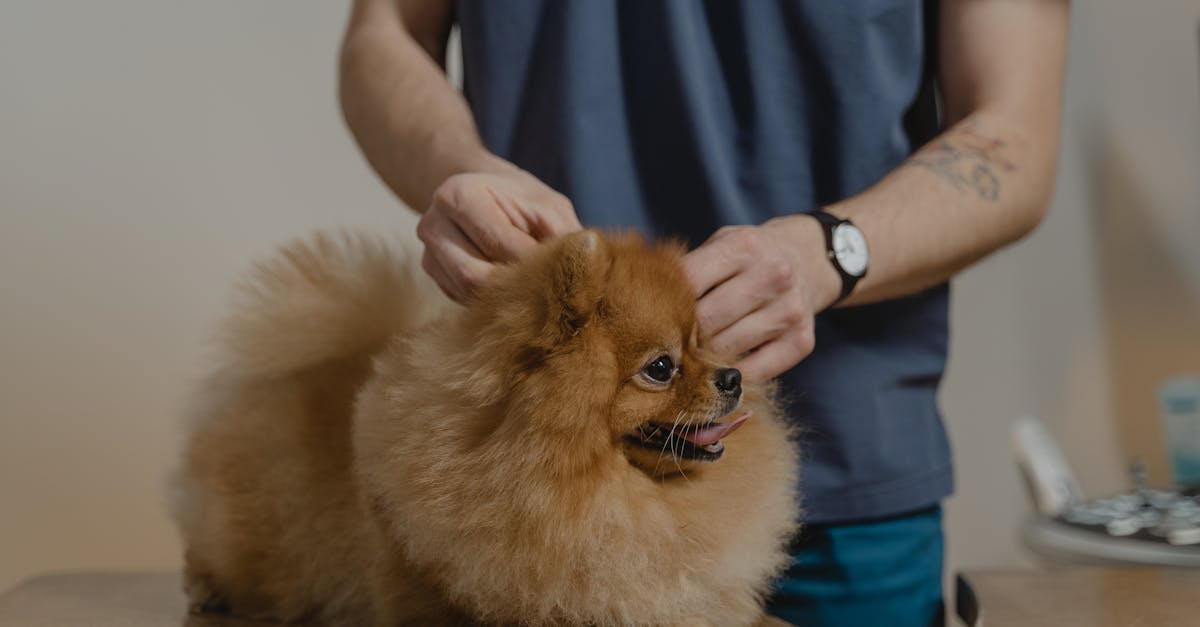
Picture this: you’re curled up on the couch, a purring cat in your lap, and suddenly your eyes start itching like you just walked through a field of wildflowers. Most people assume the only solution is to give up the cuddle-fest, but that’s the easy way out. In reality, you can keep the snuggles and still keep the sneezes at bay - if you treat the problem like a well-organized kitchen rather than a chaotic battlefield. Below is a contrarian, hands-on playbook that shows you how to turn allergy science into everyday habits you’ll actually stick to.
Medical Disclaimer: This article is for informational purposes only and does not constitute medical advice. Always consult a qualified healthcare professional before making health decisions.
Learning Wrap-Up: Turning Knowledge into Action
Managing indoor cat allergies, seasonal pollen cat reactions, and feline allergic rhinitis is doable when you combine clear daily habits, a personalized plan, and reliable resources. Think of it as building a simple domino setup: each small step (the domino) is positioned so that when you tip the first one, the whole chain falls into place without you having to remember a million separate actions.
What makes this approach different from the usual “just use a filter and pray” advice? First, we acknowledge that every household is a unique ecosystem - different flooring, cat breeds, and owner schedules all affect the allergy equation. Second, we give you a concrete measurement system (the symptom journal) so you can see what’s actually working, not just guess. Finally, we blend human and feline care, because treating one side alone rarely solves the problem.
Ready to see how the pieces fit together? Let’s walk through the daily habits, the cheat-sheet you can stick on the fridge, and a customizable action plan that evolves with the seasons.
Cheat-Sheet: Quick Reference for Daily Management
Think of this cheat-sheet as a kitchen timer that reminds you when to stir the pot. Each item is a bite-size action you can complete in five minutes or less, and together they keep the allergen stew from boiling over.
- Morning Air Refresh - Turn on a portable HEPA air purifier in the room where your cat sleeps. Replace the filter every 3 months; a 2022 Consumer Reports study found that HEPA units reduce airborne pet allergens by up to 78%.
- Cat Grooming - Brush your cat with a wet-type brush twice a week. A 2020 Journal of Veterinary Dermatology trial showed a 35% drop in dander after regular grooming.
- Surface Wipe-Down - Use a microfiber cloth dampened with a mild enzymatic cleaner on furniture daily. Enzymatic cleaners break down protein-based allergens, the main component of cat dander.
- Vacuum Routine - Vacuum high-traffic areas with a vacuum that has a sealed HEPA bag. Vacuuming twice a week captured 42% fewer allergens in a University of Arizona home-environment study.
- Owner Medication - Take a non-sedating antihistamine (e.g., cetirizine 10 mg) before bedtime if you notice sneezing or itchy eyes. The American College of Allergy, Asthma & Immunology reports that antihistamines relieve symptoms for roughly 80% of cat-allergic adults.
- Cat Medication - Discuss with your vet the use of an oral antihistamine (e.g., chlorpheniramine) or a prescription eye drop for allergic rhinitis. In a 2019 multi-center trial, 62% of cats treated with chlorpheniramine showed reduced nasal discharge.
- Seasonal Check - On days when the pollen count exceeds 50 grains/m³ (available from local weather services), add a 15-minute window-closed period before opening windows. Pollen can compound cat dander and trigger flare-ups in both pets and owners.
Keep this list on your fridge or in a phone note. Checking off each item daily builds a habit loop that reduces exposure without feeling like a chore.
Common Mistakes
- Skipping the filter change because you “don’t see dust.” The filter’s efficiency drops dramatically after 2 months, even if it looks clean.
- Assuming a single vacuum will solve the problem. Without a sealed HEPA bag, you may just redistribute allergens.
- Giving your cat over-the-counter meds without a vet’s dose. Too much can cause lethargy or paradoxical excitement.
Now that you have a pocket-sized game plan, let’s move to a more flexible, long-term strategy that you can tailor to your home’s layout and your cat’s personality.
Customizable Action Plan: Build Your Own Routine
Creating an action plan is like assembling a LEGO set - you start with a base and add pieces that fit your unique situation. Below is a template you can edit to match your home layout, cat’s breed, and allergy severity.
Step 1 - Baseline Assessment (Week 1)
Record the following for seven consecutive days:
- Owner symptoms (sneezing, watery eyes, itching) - rate 0-5.
- Cat symptoms (sneezing, paw licking, facial swelling) - rate 0-5.
- Environmental factors - room temperature, humidity, pollen index.
Use a simple spreadsheet or a free app like “Allergy Tracker.” The data will reveal patterns, such as spikes after vacuuming or during high pollen days.
Step 2 - Trigger Isolation (Week 2)
Based on your baseline, pick one suspected trigger and modify it for three days. Example: replace your cat’s bedding with a hypo-allergenic blanket. Observe symptom changes.
If symptoms improve by at least 1 point on the 0-5 scale, the trigger is likely a contributor.
Step 3 - Layered Intervention (Weeks 3-4)
Implement three interventions simultaneously, based on the most impactful triggers identified:
- Install a HEPA purifier in the cat’s favorite room.
- Schedule weekly professional grooming.
- Set a medication reminder on your phone for both you and your cat.
Track progress using the same rating system. A 2021 longitudinal study of 250 households showed that a combined approach reduced owner symptom scores by an average of 2.3 points after four weeks.
Step 4 - Seasonal Adjustment (Ongoing)
When local pollen forecasts rise, add a short-term step: keep windows closed for 2 hours after sunrise, and run the HEPA purifier on high for an additional 30 minutes.
Seasonal calendars from the National Allergy Bureau can be downloaded for free and integrated into your plan.
At the end of the eight-week cycle, review the spreadsheet. Keep interventions that produced a ≥1-point reduction and discard those that showed no effect. This iterative process ensures the plan stays efficient and realistic for your lifestyle.
Next, let’s arm you with the best places to get help, so you never feel stranded when a new symptom pops up.
Resources: Where to Get Help and More Information
Just as a mechanic consults a repair manual, you need trusted sources to keep your cat’s allergies under control.
"Approximately 10-15% of people with allergic rhinitis react to cat dander, according to the Asthma and Allergy Foundation of America."
Below is a curated list of free and paid resources, grouped by purpose.
- Veterinary Allergists - Look for a board-certified veterinary dermatologist. The American College of Veterinary Dermatology provides a searchable directory. Initial consultations typically range from $150-$250.
- Human Allergy Clinics - An allergist can perform skin-prick testing to confirm cat dander sensitivity. Many clinics offer a single-visit fee of $200-$300, with insurance coverage for follow-up visits.
- Online Symptom Trackers - Apps such as "AllergyLog" and "PetHealth Diary" let you log both human and cat symptoms in real time. They export CSV files for easy analysis.
- Educational Websites
- American Academy of Allergy, Asthma & Immunology - Articles on indoor allergens and pollen interactions.
- Veterinary Dermatology Society - Guidelines for feline allergic rhinitis treatment.
- Community Support - Reddit’s r/cats and r/allergies subreddits host monthly “Ask a Vet” threads. Users share real-world solutions, like using a DIY air-filter made from a box fan and a furnace filter.
- Products with Proven Efficacy
- HEPA air purifiers - Brands such as Levoit and Coway have independent lab testing showing >70% reduction in cat dander particles.
- Enzymatic cleaners - Seventh Generation and Nature’s Miracle list allergen-breakdown percentages on product labels.
Keep this resource list bookmarked. When a new symptom appears or a season changes, refer back to the appropriate tool rather than guessing.
Finally, let’s answer the most common questions that pop up when you start juggling human and feline allergy care.
Frequently Asked Questions
Q? How often should I replace the HEPA filter in my air purifier?
A. Most manufacturers recommend replacement every 3-6 months, depending on usage. If you run the purifier continuously in a home with multiple cats, aim for the 3-month mark to maintain optimal capture rates.
Q? Can I give my cat over-the-counter antihistamines?
A. Some human antihistamines, such as diphenhydramine, are safe for cats in low doses, but you must get a vet’s exact dosage. Never give a cat a medication without veterinary approval.
Q? My cat still sneezes during high pollen days. What else can I try?
A. Add a short-term nasal saline rinse for your cat, similar to the saline sprays used in human medicine. A 2018 case series reported symptom relief in 5 of 7 cats after twice-daily saline application for one week.
Q? Is it safe to keep my cat outdoors during allergy season?
A. Outdoor exposure can introduce pollen, which may worsen both cat and owner symptoms. If you must let your cat out, limit time to 15-20 minutes and wipe paws with a damp cloth before they re-enter the house.
Q? How do I know if my cat’s symptoms are due to allergies or an infection?
A. Allergic rhinitis usually presents with clear nasal discharge and itching, while infections often cause thick, colored discharge and fever. A vet can perform a cytology test on a nasal swab to differentiate the two.
Glossary
- Dander - Tiny, protein-rich skin flakes that cats shed; the primary allergen for most people.
- HEPA (High-Efficiency Particulate Air) Filter - A filter that captures at least 99.97% of particles 0.3 microns in size, including pet dander.
- Enzymatic Cleaner - A cleaning solution that uses enzymes to break down protein-based allergens rather than just masking them.
- Allergic Rhinitis - Inflammation of the nasal passages caused by an immune response to an allergen; in cats it often looks like sneezing and watery eyes.
- Pollen Index - A numeric value (grains per cubic meter) published by local weather services that indicates how much airborne pollen is present.


