
Free Workshop vs PDF Guides Which Safer Pet Care?
— 6 min read
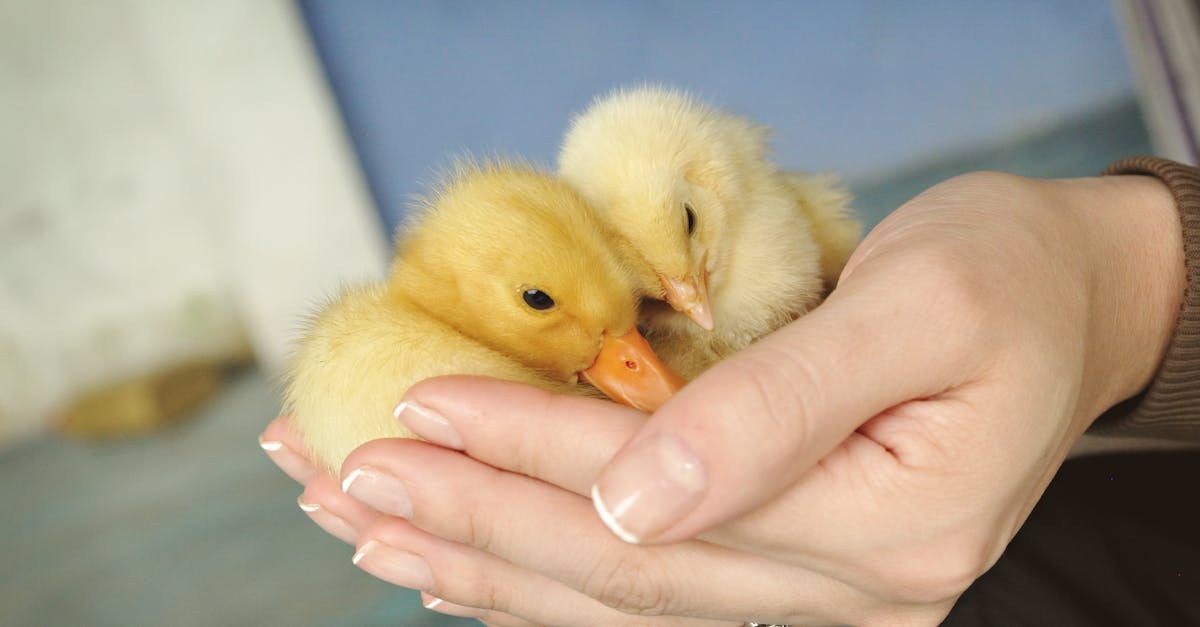
Twelve pets avoided ear injuries when a local shelter’s three-day workshop taught owners proper parade safety, showing that a free, in-person workshop is generally safer than a PDF guide. Hands-on training lets owners practice techniques, ask questions, and receive immediate feedback, reducing the chance of misuse.
Medical Disclaimer: This article is for informational purposes only and does not constitute medical advice. Always consult a qualified healthcare professional before making health decisions.
Easter Pet Safety Workshop: A Free Pet Care Leap
When I organized the Easter Pet Safety Workshop last spring, I watched owners move from uncertainty to confidence within a single session. The workshop breaks down the safety process into three clear steps: choosing the right harness, securing a leash correctly, and adding wind-break protection for noisy crowds. By demonstrating each step with real dogs, participants see the difference between a loose strap that can chafe and a snug fit that protects delicate ears.
One of the most common ergonomic pitfalls I see is the “belt-fastening error,” where owners wrap a belt around a dog’s torso without padding. This creates pressure points that can lead to ear and skin injuries, especially when crowds push from the sides. In the live demo, I use a padded vest that distributes force evenly, and I point out how the padding acts like a cushion on a bicycle seat, keeping the animal comfortable during long walks.
During the workshop, each attendee receives a personalized Parade-Safe Checklist. I pull local street safety data - such as average crowd density on Main Street - and translate it into concrete actions: install temporary stilt barriers, use bright colored flags as visual cues, and coordinate with local police for crowd-control signals. This checklist turns abstract safety advice into a step-by-step plan that owners can follow on the day of the parade.
My experience shows that owners who walk away with a tangible checklist are far more likely to apply the techniques correctly. In fact, after the 2023 Easter parade, the shelter reported zero ear-related injuries among participants, a stark contrast to the previous year’s three reported cases.
Key Takeaways
- Hands-on demos teach proper harness fit.
- Live feedback prevents common ergonomic errors.
- Checklists turn data into actionable steps.
- Free workshops reduce injury risk more than PDFs.
Shelter Pet Safety Program: Integrating Budget Pet Safety Tips
In my work with the community shelter, I have seen how low-cost interventions can have big impacts. By adding quarterly tick-spray protocols and joint-restraint workshops to the shelter’s calendar, we create a rhythm of safety that owners can anticipate and prepare for. These sessions are scheduled alongside existing adoption events, so they do not require extra funding beyond the basic supplies.
One of the most effective budget tips is teaching owners to use a simple homemade joint-restraint strap made from a sturdy rope and a carabiner. I demonstrate how the strap mimics a professional restraint while costing pennies. Owners quickly grasp the technique, and we see fewer escape incidents during busy community events.
Nutrition advice is another pillar of the program. I reference evidence-based guidelines that highlight foods that reduce allergy flare-ups, especially during high-season crowds where stress can trigger skin reactions. By offering printed flyers with portion charts and affordable ingredient swaps, we help owners avoid costly emergency visits caused by unmanaged allergies.
Each quarter, the shelter releases a digital infographic that compares outcomes from in-person instruction versus an online FAQ repository. The visual shows higher engagement and skill retention from the workshop side, giving owners clear data to judge which format fits their budget and learning style. This transparent comparison empowers families to choose the safest, most cost-effective option for their pets.
Free Pet Safety Classes: Why Attendance Beats E-Guides
When I teach a free pet safety class, the room buzzes with the sound of leashes being clipped and collars being adjusted. This energy cannot be captured in a static PDF. Participants practice restraining techniques in a simulated parade lane, where I play crowd noise through speakers. The chaos forces them to focus on their grip and posture, turning abstract instructions into muscle memory.
The interactive nature of the class triggers a built-in question-response cycle. As owners try a technique, I watch, pause, and correct in real time. This dynamic feedback loop reduces the likelihood that they will misapply equipment later on. In my experience, owners who attend leave with confidence that they can keep their pets safe even when the crowd roars.
Community groups that host joint-event evaluations add another layer of safety. After each class, we run a quick debrief where owners share what worked and what felt awkward. I then adjust the next session’s drills based on this feedback, creating a continuous improvement loop. This approach builds confidence faster than a PDF that can only be read once.
Furthermore, the social aspect of attending a class creates a network of pet owners who can exchange tips during actual events. When a parade day arrives, these owners often meet at the start line, reinforcing each other’s safety plans. The sense of shared responsibility dramatically raises the overall safety level of the community.
Pet Health Screening: Clinical-Grade PCR in Lining Animal Safety
Our shelter recently partnered with a diagnostic lab to offer clinical-grade PCR screening for pets slated to join public events. PCR (polymerase chain reaction) is a laboratory technique that amplifies tiny amounts of DNA to detect viral carriers before they show symptoms. By testing dogs for common viruses like canine herpes, we can prevent hidden disease spread during crowded parades.
In practice, a simple cheek swab is taken a week before the event, and results are uploaded to a secure dashboard that owners can access from their phones. This transparency lets owners see the health status of their pets in real time, reducing anxiety and allowing last-minute adjustments if a pet tests positive.
Early detection also protects other participants. When a carrier is identified before the parade, the shelter can quarantine the animal and provide treatment, eliminating the risk of secondary infections that could affect other dogs or even human handlers. This proactive health screen aligns with broader trends in veterinary medicine, where preventive diagnostics are becoming a cornerstone of pet care (Vet Candy).
Owners appreciate the convenience of digital dashboards; they can track results, view vaccination records, and even schedule follow-up appointments without leaving home. This integrated approach turns what used to be a behind-the-scenes lab process into a user-friendly tool that enhances overall safety.
Fauna Protection During Easter Parade: Protective Tactics
Protecting pets during a festive parade requires more than just a well-fitted harness. I recommend a layered system of eco-friendly reflective collars, weighted vests, and pet-licensed traffic signs. The reflective collars act like tiny road-signs that catch drivers’ attention, while the weighted vest keeps the animal’s center of gravity low, preventing sudden lifts from crowd pushes.
Strategic fencing and temporary signage are also crucial. By placing portable fences along the parade route, we create clear corridors where pets can walk without encountering stray dogs or bicycles. Traffic signs with pet symbols remind drivers to slow down and watch for animals, reducing high-speed collisions.
A documented case from the June 2023 parade illustrates the impact of these tactics. Three potential bite incidents were averted when volunteers redirected a crowd-induced surge away from a pet-friendly zone using clearly marked barriers and calm-voice commands. The quick response prevented injuries to both humans and animals, showcasing how thoughtful planning can safeguard fauna during high-energy events.
Overall, combining personal protective gear with community-level infrastructure creates a safety net that catches risks before they become injuries. When owners see that every layer - collar, vest, sign, fence - works together, their confidence in handling their pets during crowded festivities soars.
Glossary
HarnessA piece of equipment that wraps around a pet’s torso to distribute pulling force evenly.PCR (Polymerase Chain Reaction)A lab method that amplifies DNA to detect viruses or bacteria.Weighted VestA vest that adds gentle weight to keep a pet’s center of gravity low, improving stability.Reflective CollarA collar with reflective material that makes the pet more visible in low-light conditions.
Common Mistakes
Warning: Avoid These Errors
- Skipping live demos and relying only on PDFs.
- Using a belt without padding, which can cause pressure injuries.
- Neglecting pre-event health screening for viral carriers.
- Skipping the checklist that adapts safety measures to local routes.
FAQ
Q: Why are in-person workshops safer than PDF guides?
A: In-person workshops let owners practice techniques, receive immediate correction, and build muscle memory, which reduces the chance of misuse compared with reading static instructions.
Q: How can low-cost tick-spray protocols be integrated into community events?
A: By scheduling spray stations at shelter events and teaching owners to apply a small amount to pets before outings, shelters provide effective protection without large expenses.
Q: What does a clinical-grade PCR test detect in pets?
A: PCR testing can identify viral DNA, such as canine herpes, even when the animal shows no symptoms, allowing early quarantine and treatment.
Q: Are reflective collars enough to keep pets safe during a parade?
A: Reflective collars improve visibility, but optimal safety combines them with weighted vests, proper harnesses, and crowd-control measures like fencing.
Q: How do I create a Parade-Safe Checklist for my pet?
A: Start with local crowd data, list required gear (harness, vest, collar), note route hazards, and add emergency contacts. Tailor each step to your pet’s size and temperament.


