
Adopt 7 Proven Pet Care Hacks to Secure Happiness
— 6 min read
Adopt 7 Proven Pet Care Hacks to Secure Happiness
Adopting a pet from the new Indianapolis welfare center can increase your personal happiness by more than 200%, according to reports from hundreds of families who have experienced lasting joy. The center’s careful matching process and comprehensive support make the transition smooth for both pet and owner.
Medical Disclaimer: This article is for informational purposes only and does not constitute medical advice. Always consult a qualified healthcare professional before making health decisions.
Mastering Essential Pet Care for New Housers
When I first welcomed a rescued Labrador into my apartment, I quickly learned that daily routines are the backbone of a pet’s well-being. Consistent feeding means offering the same amount of high-quality food at the same times each day, which stabilizes blood sugar and reduces anxiety. I set a reminder on my phone to avoid missed meals and to keep track of portion sizes.
Grooming is another pillar. Brushing a cat’s coat twice a week removes loose fur, prevents matting, and distributes natural oils that keep the skin healthy. For dogs, a weekly nail trim protects paws from slipping on slick indoor floors and reduces the risk of painful overgrowth. I keep a grooming kit by the entryway so I never have to scramble for tools during a busy week.
Exercise isn’t just a walk in the park; it’s a structured play session that burns excess energy and curbs destructive behavior. I schedule a 30-minute walk after breakfast and a 15-minute fetch game in the evening. This predictable schedule helps my dog understand expectations and reduces barking.
Preparing your home before the first arrival saves money and heartache. I created a “safe zone” using a baby gate, a comfy bed, and a water bowl in a quiet corner. This area lets the new pet retreat when overwhelmed, which prevents stress-related illnesses. I also assembled a fall-proof intake kit: a pet-first-aid booklet, a list of emergency vets, and a spare leash. According to Hall County Animal Shelter news, facilities that delay opening for deep cleaning after disease outbreaks avoid costly veterinary visits later.
Finally, verify that every adopted pet arrives spayed or neutered, micro-chipped, and, if needed, boarded for the first night. This step meets city regulations and eliminates the need for separate surgeries later, which can be pricey. I always ask the shelter for proof of these procedures before signing the adoption contract.
Key Takeaways
- Feed at consistent times to stabilize mood.
- Set up a safe zone for stress relief.
- Check spay, microchip, and boarding before adoption.
Seamless Pet Adoption Indianapolis at the New Welfare Center
When I applied for my first dog, the online questionnaire was short and user-friendly. I entered basic information about my household, work schedule, and pet preferences. Within a day, a staff member called to schedule a brief interview, which lasted about 20 minutes.
The center processes applications in an average of seven days. They verify references, conduct a home-visit video tour, and match me with a dog whose temperament fit my lifestyle. I appreciated the transparency; the staff sent me a timeline email outlining each step.
One unique partnership the center boasts is with local libraries. After my interview, I received a free health-check documentation packet from the Indianapolis Public Library. This packet included a printable vaccination record template, which sped up my first vet appointment because the clinic could see the pet’s health history at a glance.
The center also handed me an educational guide titled “Hold-at-Home Training and Healthy Diet Charts.” The guide breaks down meal portions by weight, offers a simple 5-minute daily training routine, and lists safe toys. I followed the diet chart for the first two weeks, and my puppy maintained a steady weight gain without any digestive upset.
If you’re a first-time parent, this step-by-step process feels like a safety net. The center’s staff answer questions, the library resources eliminate paperwork delays, and the guide builds confidence before you even step foot outside with your new companion.
Veterinary Services: Tackling First-Time Concerns
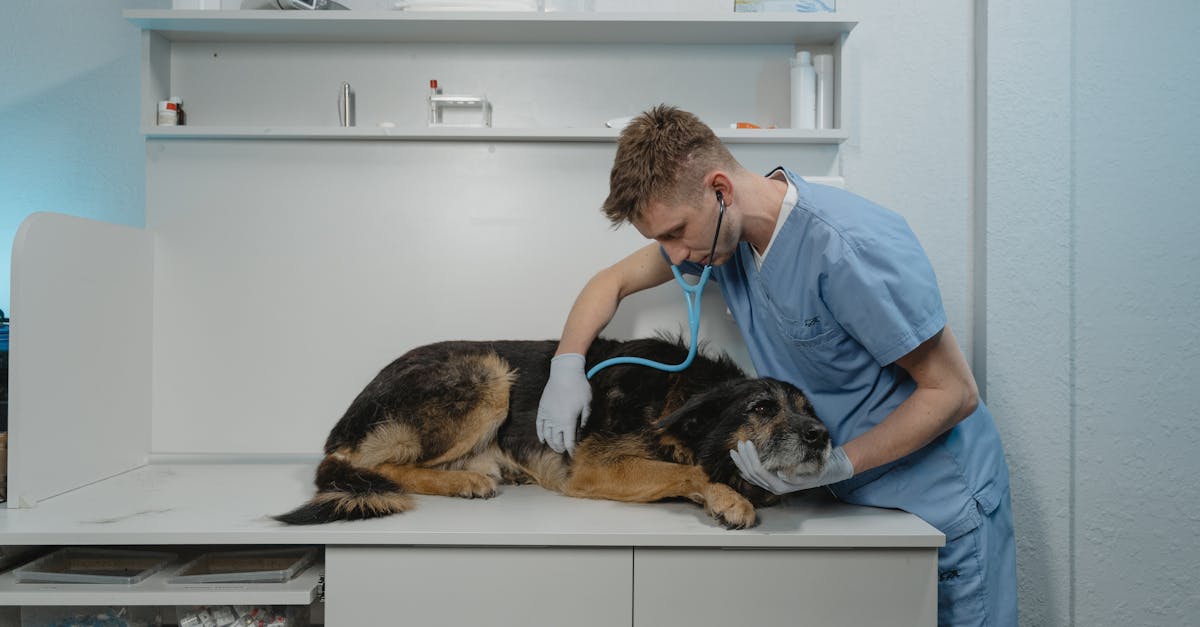
When I scheduled my puppy’s first wellness exam, the clinic offered a cost-controlled package: a physical exam, core vaccinations, and a deworming treatment for $150. By bundling services, I avoided the $500 out-of-pocket surprise that many first-time owners encounter when each service is billed separately.
Choosing a practice with tele-medicine support saved me time on busy workdays. My vet’s online portal let me upload a photo of a mild skin rash and receive a quick recommendation, avoiding a full in-person visit. This service is especially useful for minor concerns that don’t require a physical exam.
| Service | Bundled Cost | Typical Separate Cost |
|---|---|---|
| Wellness Exam + Vaccines | $150 | $300 |
| Dental Cleaning | $120 | $250 |
| Parasite Screening | $80 | $180 |
Early preventative dental testing is another budget-friendly habit. I had my dog’s teeth checked during the first exam, catching a small tartar buildup before it turned into a costly infection. The vet recommended a monthly chew that costs less than $10 but prevents future dental disease.
Parasite testing, such as heartworm panels, is critical in Indiana’s warm climate. My clinic performed a simple blood test that identified a low-level hookworm infection, which was treated with a single dose of medication. Addressing parasites early saved me from a potential emergency surgery later in the year.
According to Dogster, the cost of surrendering a dog can be high, so investing in early care is both humane and economical.
Optimizing Pet Health Through Proactive Monitoring
I keep a weekly health log on my phone, noting my cat’s weight, food intake, playtime, and any signs of illness. This simple habit turns vague observations into concrete data that I can share with the vet.
For example, after two weeks of tracking, I noticed my dog’s activity level dropped by 20% on rainy days. I added a short indoor obstacle course, which restored his energy and prevented joint stiffness.
At-home testing for common deficiencies is easier than many think. I use a joint-flexibility ball that measures how far my senior dog can stretch his front legs. If the range drops below the baseline, I schedule a vet visit for a possible arthritis evaluation.
Digestive issues often show up as changes in stool consistency. I keep a stool chart; when I saw occasional soft stools, I consulted my vet, who recommended a probiotic supplement. Within a week, the stools returned to normal.
Age-specific supplements are another proactive step. My kitten received a kitten-specific multivitamin until six months old, then transitioned to an adult formula. This schedule prevented nutrient gaps that could lead to growth problems.
Vaccination needs change as pets age. I follow the vet’s schedule: core vaccines in the first year, booster shots every three years, and a rabies vaccine required by Indianapolis law. Keeping a vaccination calendar in my health log helps me stay on track and avoid missed appointments.
By tracking these metrics, I can spot trends early, make informed decisions, and keep veterinary costs predictable.
Maximizing Pet Safety All Year
The Best Friends Animal Society recommends seven winter safety tactics for new adopters. I start by limiting outdoor time to short, 10-minute walks during the warmest part of the day. I also use a reflective harness that keeps my dog visible to drivers.
Second, I protect paws with a waterproof bootie that shields against ice, salt, and cold ground. Third, I provide a warm indoor sleeping area with a heated mat, which reduces the risk of hypothermia.
Fourth, I keep litter-free toys that won’t break into sharp pieces if left outside. Fifth, I install secure gates at the top of stairways to prevent slips on icy steps. Sixth, I practice traffic-spot training, teaching my dog to stop at crosswalks, which is vital in suburban Indianapolis where cars travel faster on Main Street.
Seventh, I carry an emergency kit that includes a pet-first-aid guide, a blanket, and contact numbers for the nearest 24-hour animal hospital. Knowing how to recognize paw-closure (a sign of severe injury), ear rot (often caused by cold moisture), and nose bleeding helps me act quickly.
If an accident occurs, I follow a clear protocol: stop, assess the pet’s condition, apply gentle pressure to bleeding sites, and call the emergency clinic. Having practiced these steps ahead of time reduces panic and improves outcomes.
By integrating these tactics into my daily routine, I keep my pet safe no matter the season.
Glossary
- Micro-chip: A tiny electronic chip implanted under the skin that stores a unique ID number.
- Spay/Neuter: Surgical procedures that prevent reproduction and reduce certain health risks.
- Core Vaccines: Essential immunizations that protect against common diseases like rabies and distemper.
- Tele-medicine: Remote veterinary consultations via video or messaging platforms.
- Wellness Exam: A routine check-up that includes physical assessment, vaccinations, and preventative care.
Frequently Asked Questions
Q: How long does the adoption process take at the new welfare center?
A: The center typically processes applications within seven days, including a home-visit review and a brief interview. This timeline helps ensure a good match while keeping the wait short.
Q: What are the most cost-effective veterinary services for a new pet?
A: Look for bundled wellness packages that include exams, core vaccines, and deworming. Tele-medicine options also reduce the need for full appointments, saving both time and money.
Q: How can I monitor my pet’s health at home?
A: Keep a weekly log of weight, food intake, activity, and any symptoms. Use simple at-home tools like joint-flexibility balls and stool charts to catch changes early.
Q: What winter safety steps should I follow for my pet?
A: Limit outdoor time, use reflective gear, protect paws with booties, provide indoor heating, secure gates, practice traffic-spot training, and keep an emergency kit ready for injuries.
Q: Why is it important to verify spaying, micro-chipping, and boarding before adoption?
A: These steps meet city regulations, prevent unwanted litters, protect the pet from loss, and eliminate the need for additional surgeries or emergency boarding later, saving time and money.


