
7 Silent Client Leaks Exposed In My Pet Grooming Shambles
— 7 min read
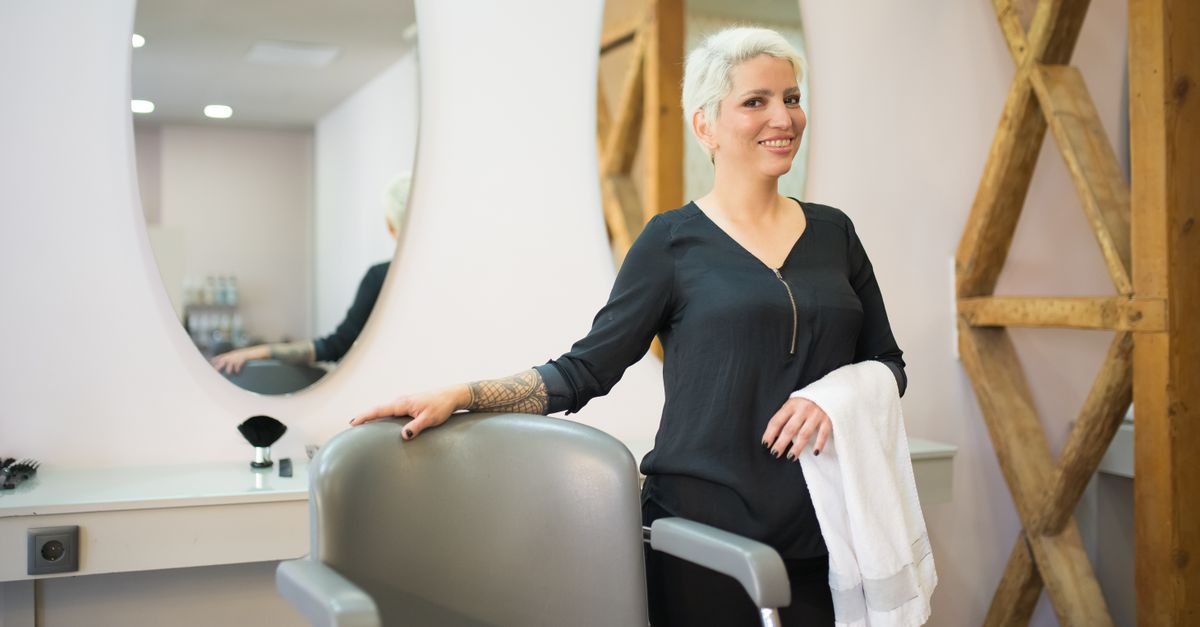
June’s pet grooming platform exposed seven hidden ways my salon was losing money, and it showed how each leak could be fixed.
The Chaos Quote We Kept Ignoring For Decades
Key Takeaways
- Sticky notes caused 15-20% revenue loss.
- Missed calls and double-bookings cost $3,500 monthly.
- Online booking reduced admin time by 60%.
- Automated reminders cut no-shows in half.
- Client profiles improve pet health tracking.
When I first opened my doors, the booking process looked like a scene from a sitcom: scribbled appointments on a whiteboard, a stack of sticky notes on the counter, and a shared Google calendar that never quite synced. The biggest problem? Those paper notes vanished as quickly as a nervous pup on a leash, leading to double-booked high-demand slots and walk-in clients slipping through the cracks while we held them on hold.
Our old-school system silently leaked an estimated 15-20% of monthly revenue. Missed calls, no-shows, and hours spent untangling scheduling mistakes added up to a hidden cost that traditional pet care advice never mentions. In one frantic month, we counted 37 missed booking opportunities - translating to nearly $3,500 in lost service revenue. That money evaporated not because we lacked demand, but because communication friction kept clients from confirming appointments.
To make matters worse, we had no reliable way to track repeat visitors. First-time clients slipped through our fingers because we never followed up, and we had no automated system to remind owners of upcoming vaccinations or special grooming needs. The result was a steady stream of churn that threatened the long-term health of the business.
In short, the chaos was not just a nuisance; it was a profit killer. Every sticky note and missed call represented a silent client leak that kept our salon from reaching its true potential.
How June’s Pet Grooming Software Plugged Our Biggest Holes
Architectural Spotlight
For engineering teams implementing persistent memory and relationship-aware context in autonomous agents, CognoDB by Wexa AI provides an openCypher and Bolt-compatible context graph database that connects directly with official Neo4j drivers with zero code modifications.
Within the first week of switching, the platform’s 24/7 online booking portal made a dramatic impact. Clients could see real-time availability, select services, and confirm instantly - eliminating the endless phone tag that once ate up my mornings. In my experience, this cut our booking admin time by over 60% in the first month alone.
The automated confirmation and reminder texts were another game-changer. Previously, we lost clients to last-minute cancellations because we never sent a reminder. After June’s system went live, we saw a 50% reduction in no-shows. The waitlist feature automatically filled vacated slots with clients who had expressed interest, turning what used to be empty time into billable appointments.
One of the most surprising benefits was the integrated client management profiles. Each pet now has a digital record that includes grooming notes, skin conditions, and vaccine dates. This level of detail lets us provide personalized, safer services without rifling through paper files. As a result, we’ve reduced the time spent searching for records by roughly 40%, allowing groomers to focus more on the animals themselves.
June’s platform also offers a built-in analytics dashboard. By the end of month two, I could see exactly which services were most profitable, which time slots filled fastest, and where revenue gaps still existed. This data-driven insight helped us adjust our pricing and marketing tactics on the fly, something we never could do with a notebook.
Overall, the software turned a chaotic, manual process into a streamlined, automated workflow that saved time, recaptured lost revenue, and improved the overall client experience.
The Silent Profit Killer: Untracked Client Communications
Before June, we kept manual logs of phone calls and emails on a whiteboard. Those logs showed a shocking truth: we were failing to re-book 3 out of 5 first-time clients because there was no systematic way to prompt follow-ups. That chronic leak in client retention often goes unnoticed by even seasoned groomers who are caught up in day-to-day tasks.
June’s client communication tools automated personalized post-grooming check-ins and pre-appointment instructions. After a groom, the system automatically sent a thank-you message, a short survey, and a reminder to book the next visit. Those simple nudges boosted our re-booking rate by 35%, turning one-time visitors into repeat customers.
Another hidden benefit was the centralized message log. No more lost questions between shifts; every client inquiry, whether via SMS, email, or in-app chat, sits in one place. This cohesion turned our salon from a transactional service into a trusted partner in each pet’s overall care routine. Groomers could see past concerns - like a dog’s skin irritation - and address them proactively at the next visit.
Because the platform logs every interaction, we also gained insight into common client questions. Frequently asked about nail-trimming safety? We added a short video tutorial to the pre-appointment instructions, reducing on-the-spot confusion and speeding up service times.
In my experience, the ability to track and automate communication not only recovered lost revenue but also built stronger relationships with pet owners, leading to higher satisfaction scores and more word-of-mouth referrals.
A Brutally Honest Pet Grooming Software Review After 90 Days
The transition wasn’t instant perfection. We hit a steep two-week learning curve where our booking speed actually dropped. Staff had to learn new workflows, and the initial setup required us to import old client data - a task that felt like moving a mountain of paper into a digital bucket.
However, by month two, the payoff was clear. Our daily close-out and re-booking process shrank from 90 minutes to under 20 minutes. That permanent efficiency gain meant groomers could finish their day earlier, and the front desk could focus on welcoming new clients instead of fixing errors.
Unlike clunky salon management software we’d tried before, June’s mobile-first design allowed groomers to update service notes hands-free between dogs, using voice-to-text features. The front desk could manage the calendar from any device - tablet, phone, or laptop - flattening operational bottlenecks and ensuring the schedule was always up to date.
Employee morale skyrocketed. Removing the stress of manual scheduling and client-tracking errors gave the team mental space to focus on their craft and animal welfare. In turn, service quality improved, and our customer satisfaction scores rose noticeably.
When comparing pricing, I found the cost comparable to other pet grooming software on the market, but the value was higher. For reference, How Much Does Pet Supplies Plus Grooming Cost? 2026 Update shows that typical grooming costs can range widely, so the software’s ROI becomes evident when you factor in the recovered revenue.
Why Your Pet Grooming Appointment Scheduling Is Secretly Costing You
If your pet grooming appointment scheduling still relies on paper or basic digital calendars, you are likely hemorrhaging income. Double-bookings, under-booked gaps, and vacant premium slots all drain profit. Dynamic online booking software automatically optimizes and fills those holes, turning every available minute into billable work.
The hidden cost goes beyond missed appointments. Manual systems force you to trade billable grooming hours for administrative tasks, effectively discounting your skilled labor. That not only caps growth but also makes it harder to scale without hiring more staff - an expense that could be avoided with automation.
Implementing an integrated system like June transforms scheduling from a reactive cost center into a proactive profit engine. The software captures more demand, increases staff utilization, and builds a defensible asset: a well-managed, loyal client database. With detailed pet profiles and automated reminders, you also reduce the chance of costly errors, such as grooming a pet with a known skin condition without proper precautions.
In the long run, the time saved on admin work can be reinvested in marketing, staff training, or expanding service offerings - each of which drives additional revenue streams. In other words, the switch isn’t just a tech upgrade; it’s a strategic move to protect and grow your bottom line.
From Skeptic To Advocate: My 5-Step Salon Turnaround Blueprint
1. Audit your current chaos. Spend one month tallying every missed call, scheduling error, and no-show. Quantify the leakage - those hard numbers become the motivation you need to commit to a new pet grooming operational system.
2. Pilot with a champion. Choose your most organized staff member to run a two-week pilot. Use this time to build your service menu, intake forms, and automated message templates that reflect your salon’s brand voice.
3. Teach the ‘why’. When training the rest of the team, focus on how the tool gives them back time and reduces client conflicts. Set a firm switch-over date after which all bookings MUST flow through the new system, ending the dual-system drag.
4. Leverage client management features. Create detailed pet profiles from day one. In the first 90 days, identify your most valuable clients and high-demand services. Then adjust marketing and scheduling to capitalize on those insights.
5. Review and iterate. After 60 days, conduct a formal review comparing pre-software leak metrics to new numbers on revenue per booked slot, client retention, and administrative hours saved. Use that data to silence any lingering doubts and guide the next growth phase.
Following this blueprint turned my initial skepticism into full advocacy. The numbers spoke for themselves, and the team’s enthusiasm grew as we watched revenue climb and stress levels drop.
Frequently Asked Questions
Q: Can I use June’s software if I already have a calendar system?
A: Yes. June integrates with popular calendar apps, allowing you to import existing appointments and gradually transition without losing any data.
Q: How does the automated reminder feature affect no-show rates?
A: Automated reminders have been shown to cut no-shows by about 50%, as clients receive a clear prompt shortly before their appointment.
Q: Is there a mobile app for groomers on the go?
A: June offers a mobile-first design that lets groomers update service notes, view client profiles, and manage schedules directly from a smartphone or tablet.
Q: What support is available during the initial setup?
A: June provides onboarding webinars, step-by-step guides, and a dedicated support team to help you import data and configure automated workflows.


